Best Electric Razors 2023 – In today’s interconnected world, the influence of social media on students cannot be understated. The advent of platforms like Facebook, Instagram, Twitter, and TikTok has transformed the way students communicate, learn, and engage with the world around them. This article delves into the multifaceted impact of social media on students’ lives, exploring both the positive and negative aspects of this digital phenomenon.

Best Electric Razors 2023


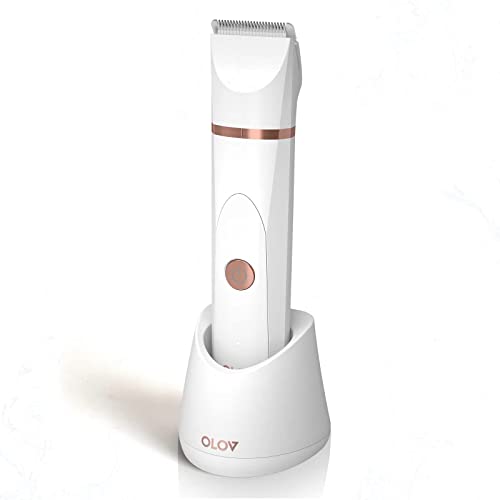



1. Philips Norelco Shaver 7700
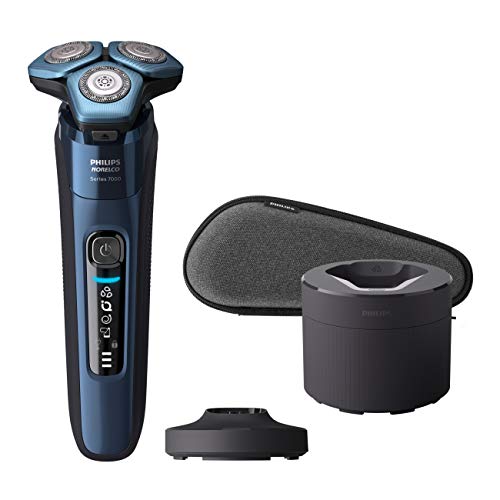
- Philips Norelco Shaver 7700 delivers a smooth shave while reducing skin irritation. Only Philips has ComfortGlide rings, a special coating to protect your face from irritation.
- Shaving heads are surrounded with ComfortGlide rings, a special protective coating with skin gliding properties, to shield your face from irritation.
- With up to 90,000 cutting actions per minute, the SkinProtect blades deliver a close shave with fewer passes for more comfortable skin vs. Philips Norelco Shaver Series 3000
- Powerful cleaning pod thoroughly cleans and lubricates your shaver in just 1 minute, keeping it performing at its best for longer
- With a powerful Li-ion battery, get up to 60 minutes of cordless shaving - about 20 shaves - on a 1-hour charge. 5-minute quick charge for one shave
- Includes: Electric shaver, travel case, charging stand, Quick Clean Pod, Philips Norelco Quick Clean Pod cartridge 160mL (5.41 fl oz), cleaning brush and power cord
2. Philips Norelco Exclusive Shaver 3800
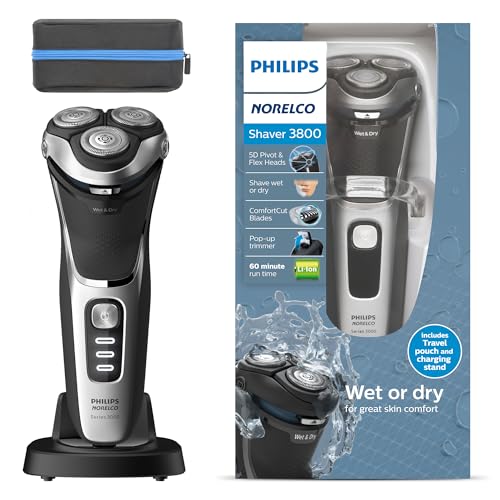
- Enjoy a clean shave that follows your face's contours with 5-directional pivot, flex and floating movements. The head reaches your face at the ideal angle and adjusts to the curves of your face and neck, creating smooth contact with your skin.
- Get a convenient dry shave or a refreshing wet shave with gel or foam, even in the shower.
- With ComfortCut blades, you get a clean shave that's comfortable on your skin. Rounded caps shield 27 self-sharpening blades to gently cut hair just above skin level and help the shaver glide smoothly over your skin.
- Finish your look with the built-in pop-up trimmer. It’s ideal for maintaining your mustache and trimming your sideburns.
- Shave for up to 60 minutes on a 1-hour charge - that's about 20 shaves - with the powerful Li-ion battery. A 5-minute quick charge gives enough power for one shave. Operates in cordless mode only.
- Philips Norelco is the most trusted and fastest growing electric male grooming brand. In a survey of 502 men in 2020; based on 2022 dollar share gain.
- Includes: Electric shaver, travel pouch, charging stand power cord and protective cap
3. Skull Shaver Pitbull Gold PRO Head Shaver for Men
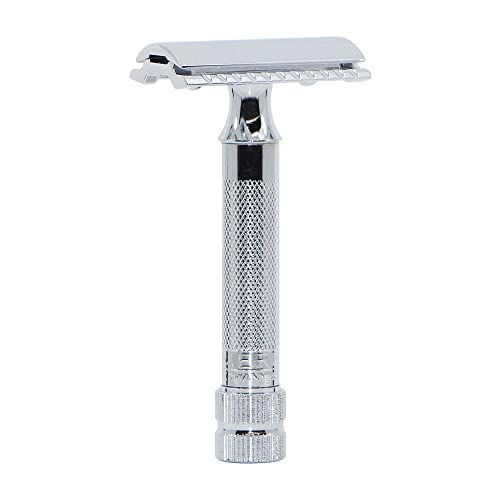
- Extra thick handle
- Reliable grip
- Made in Germany
- Allows for a close, comfortable shave
4. Braun Electric Razor for Men

- BRAUN'S BEST RAZOR, NOW EVEN BETTER: NEW New Braun Series 9 Pro is the world’s most efficient electric shaver*, now better with a flexible new ProHead that can cut 1, 3 or 7-day beards even in tricky areas.
- MORE EFFICIENT & GENTLE: The innovative ProLift trimmer captures and cuts flat lying hair, with Braun’s unique Sonic Technology that helps to shave up to 10% faster** and navigate tricky areas such as upper lip and neck for a supremely close yet gentle shave.
- INCLUDES electric razor; 5-in-1 SmartCare center that intelligently selects a cleaning program, hygenically cleans, lubricates, dries, and charges your razor; cleaning cartridge, leather travel case, cleaning brush, charging cord, and user manual.
- BUILT TO LAST: Made in Germany & designed to last 7 years. This wet & dry shaver is 100% waterproof and can be used with foam, gel or even under the shower.
- REDESIGNED FOR SUPERIOR PRECISION: Features a redesigned precision switch to lock the shaver's head and easily capture tricky hair, for unparalleled precision and control.
- Tested vs. leading premium tier products **vs. Previous Braun Series 9.
5. Panasonic ARC5 Electric Razor for Men with Pop-Up Trimmer
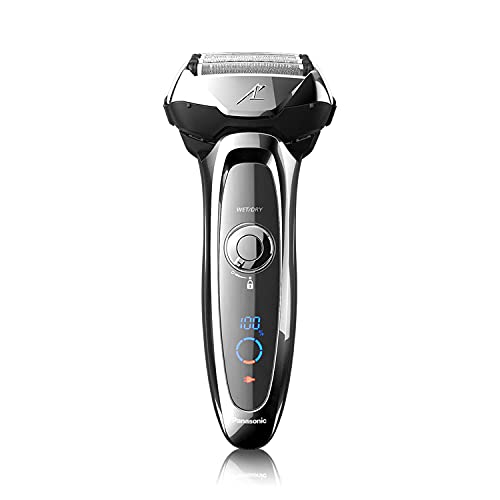
- Sharp men’s shaver blades: Panasonic Arc5 men's electric shaver with five ultra-sharp precision honed 30° Nanotech blades and ultra-thin Arc foil follow facial contours for a quick, close and comfortable shave.Charging Time : 1 hour.
- Wet/Dry electric shaver and trimmer 2 in 1: Built-in pop up trimmer details mustaches, beards and sideburns; Wet/dry waterproof shaver allows for convenient shaving in or out of the shower.Power source:AC 100-240V (Automatic International Dual Voltage Conversion)
- Multi Flex pivoting head: Panasonic flexible pivoting electric shaver head glides effortlessly to trace the individual contours of face, chin, neck and jaw; Built-in shaving sensor monitors differences in beard density and automatically adjusts cutting power for exceptional comfort
- High performance motor with a linear drive: This Panasonic shaver is equipped with a linear motor which delivers 14,000 cuts per minute (70,000 crosscutting actions per minute) and maintains peak power up to the end of every battery charge
- LCD battery indicator: The shaver’s 10 stage LCD shows battery status at a glance; Rechargeable, portable and travel friendly
- Note: Kindly refer user guide for trouble shooting tips
6. Wahl Professional 5-Star Series Rechargeable Shaver/Shaper
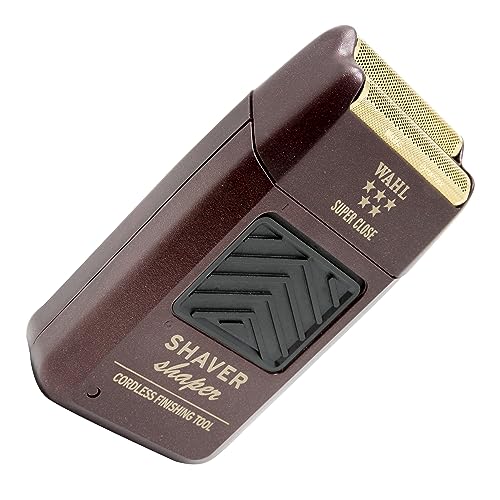
- PROFESSIONAL PRECISION: From Wahl Professional's commercial grade line of products, the 5-Star Shaver/Shaper is intended for professional use only and is engineered to deliver the sharp performance that experts demand.
- STYLISH AND FUNCTIONAL: This powerful shaver offers an appealing aesthetic in addition to top-notch precision. It comes with a rechargeable battery that can keep the rotary motor running at full speed for up to 60 minutes per charge. With hypoallergenic gold foil, even the most sensitive skin will be free of razor bumps, ingrown hairs, or skin irritation.
- ACCESSORIES INCLUDED: For your convenience, the 5-Star Series Shaper/Shaver comes with all accessories required for use. Package includes the shaver, foil guard, charging plug, cleaning brush, and operating instructions.
- PRODUCT SPECIFICATIONS: The 5-Star Series Rechargeable Shaver/Shaper (#8061-100) measures 4.6" long and weighs 5.8 oz. This shaver features a #7031-100 foil/cutter bar, rechargeable rotary motor (rechargeable NI-CAD battery included), and operates at 120 volts/60 hertz.
7. Andis 17150(TS-1) Pro Foil Lithium Titanium Foil Shaver
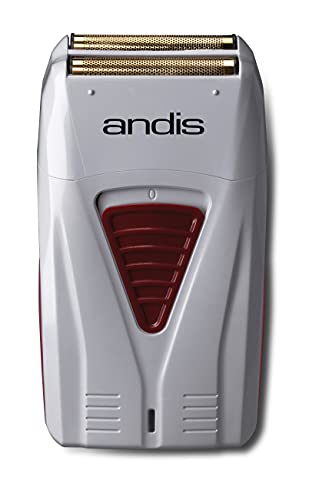
- ULTRA THIN: Gold titanium foils for zero finishes, ideal even for the most sensitive skin.
- LITHIUM-ION BATTERY: Delivers an industry-leading battery with 2 hours of cordless run-time with a rapid 60-minute recharge.
- PROFESSIONAL QUALITY: Use this professional quality shaver to get a close shave on the neck, face, & hairline.
- POWER & CONVENIENCE: This travel-friendly rechargeable electric shaver features flexible hypoallergenic titanium foil cutters, a no-slip rubber grip, a travel lock, & pop-up trimmer.
- PRODUCT DETAILS: This Model Andis 17150(TS-1) Pro measures 2.8 x 5.3 x 8.1 inches and weighs 9.6 Ounces, Turbocharged motor runs at 9,000 rpm for more powerful shaving and less drag, is rechargeable and is designed to run for up to 80 minutes long on a single charge.
8. BaBylissPRO SILVERFX Metal Collection Pack
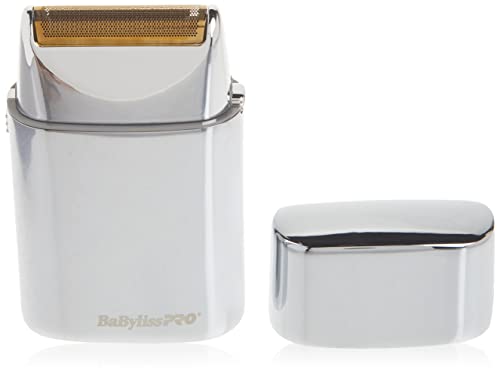
- The BaBylissPRO FOILFX01 cordless shaver is a professional, compact-size metal foil shaver equipped with a single, hypoallergenic gold foil. It comes with a storage pouch & 2 AA batteries.
- This cordless shaver features a powerful rotary motor with up to 5 hours of runtime & auto cover/shutoff.
- Use this shaver for an extra-close shave on the most detailed areas of the neck, face, & all around the hairline.
9. Philips Norelco OneBlade
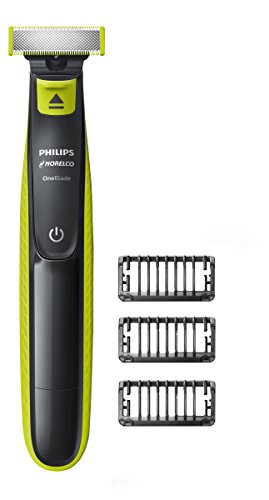
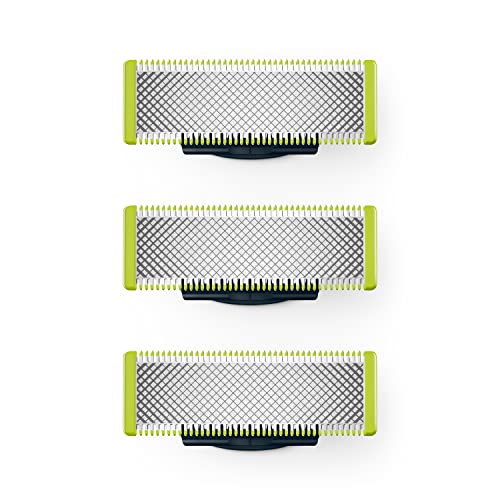
- The Philips Norelco OneBlade is a revolutionary electric grooming tool with technology designed for men who wear stubble, beards, or facial hair styles; One Blade trims, edges, and shaves any length of hair
- The unique OneBlade shaving technology integrates a fast moving cutter (200x per second) with a dual protection system to give you both an efficient and comfortable shave, even on longer hairs
- Shave any length: not as close as a traditional blade so your skin stays comfortable; Trim it down: 3 click on combs for a fast and even trim; Edge it up: dual sided blade for precise edging to line up your style
- Use it how you'd like: Dry or wet, with or without foam, even in the shower
- The rechargeable battery delivers the power of corded operation without the hassle of a cord; 45 minutes of continuous use with each charge
- Subscribe & Save on Philips Norelco OneBlade replacement blades and save up to 15%
10. Conair Body and Facial Hair Removal for Women
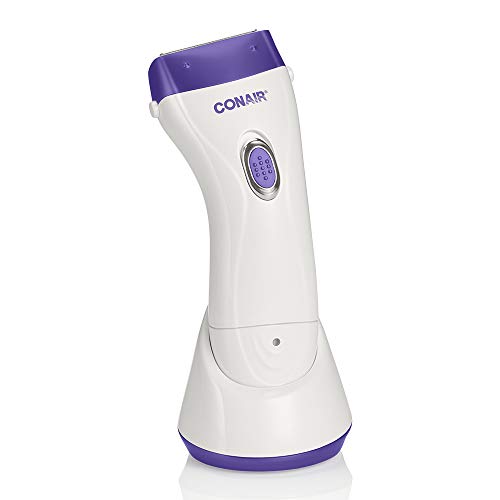
- Portable Ladies Shaver: This full-size dual foil shaver is rechargeable shaver gives you smooth results for those hard-to-reach spots. Twin independent floating cutters + foils work on wet or dry skin to deliver silky smooth results.
- Remove Hair from Head to Toe: Remove unwanted hair from the face, bikini line, legs & more with the Conair line of trimmers, shavers, & epilators. Great results without the irritation of shaving & waxing.
- Smooth Sailing: Conair makes shavers, trimmers, & hair removal tools especially designed for women so you can go forth with confidence. Take one along on your travels & go as bare as you dare!
- Innovative Grooming Tools: From hair & beard clippers to trimmers, shavers, epilators & home haircut kits—Conair makes high-quality grooming tools for men & women.
- Personal Care from Conair: Our personal care line includes high-quality skincare tools, lighted mirrors, haircut kits, beard & mustache trimmers + ear/nose trimmers, ladies shavers & oral care. Conair makes every personal care tool for your daily routine.
Introduction
Social media platforms have become an integral part of modern life, transforming the way we communicate, share, and interact. For students, these platforms offer both opportunities and challenges that can shape their academic journey and personal development.
Positive Effects of Social Media on Students
Enhancing Communication and Connectivity
Social media provides students with a virtual space to connect with peers from around the world. Through instant messaging and video calls, students can engage in cross-cultural exchanges, fostering a sense of global awareness.
Facilitating Learning and Information Access
Platforms like YouTube and educational forums offer students a wealth of knowledge beyond the classroom. Online tutorials, research articles, and expert insights are easily accessible, complementing traditional learning methods.
Fostering Creativity and Self-Expression
Visual platforms like Instagram and Pinterest allow students to showcase their creative projects, whether in art, photography, or writing. This encourages self-expression and boosts self-confidence.
Negative Effects of Social Media on Students
Mental Health and Well-being
Excessive social media use has been linked to feelings of anxiety, depression, and loneliness among students. The constant comparison to curated online lives can lead to unrealistic expectations and diminished self-esteem.
Academic Distractions and Time Management
The addictive nature of social media can lead to procrastination and poor time management. Students may find it challenging to focus on their studies when constantly bombarded with notifications and updates.
Cyberbullying and Online Harassment
The anonymity provided by social media can embolden individuals to engage in cyberbullying, which can have severe emotional and psychological consequences for students.
Striking a Balance: Healthy Social Media Usage
Setting Digital Boundaries
Students should establish limits on their social media usage to prevent it from interfering with daily routines. Designated screen-free times can promote better focus and reduce digital fatigue.
Promoting Critical Digital Literacy
Educational institutions should incorporate digital literacy into their curriculum, empowering students to discern credible information from misinformation and develop a critical mindset while consuming online content.
Social Media’s Influence on Career and Future Prospects
Building a Personal Brand
Social media platforms like LinkedIn provide opportunities for students to showcase their skills and accomplishments, enhancing their professional image and attracting potential opportunities.
Networking Opportunities and Professional Growth
Students can connect with industry professionals and join relevant groups to stay updated on trends and job openings. Social media bridges the gap between academia and the professional world.
Privacy Concerns in the Digital Age
Understanding Data Privacy
Students must understand the implications of sharing personal information online. Awareness of data privacy issues can help them make informed decisions about their online presence.
Navigating Online Privacy Settings
Platforms offer privacy settings that allow students to control who can access their content. Regularly reviewing and adjusting these settings ensures a safer online experience.
Promoting Positive Mental Health in a Digital World
Recognizing Digital Stressors
Students should identify activities on social media that trigger stress and anxiety. Creating a supportive online circle and muting or unfollowing negative influences can contribute to better mental health.
Cultivating a Healthy Online Environment
Fostering kindness and empathy online can create a positive atmosphere. Students should strive to contribute constructively to discussions and think twice before sharing controversial content.
Educational Institutions and Social Media Policies
Addressing Social Media Challenges in Schools
Educators should address the challenges of cyberbullying, plagiarism, and distraction through awareness campaigns and open dialogues with students.
Implementing Responsible Social Media Guidelines
Schools can develop guidelines that encourage respectful online behavior and educate students about the consequences of their digital actions.
Conclusion
Social media’s impact on students is a complex interplay of benefits and drawbacks. By navigating the digital landscape mindfully, students can harness the positive aspects of social media while mitigating its potential harms.
Frequently Asked Questions
Is all social media usage harmful for students’ mental health?
No, not all social media usage is harmful. It’s important for students to maintain a balanced approach to social media and be aware of its potential impact on their mental well-being.
How can students leverage social media for educational purposes?
Students can follow educational accounts, join groups related to their field of interest, and engage in meaningful discussions to enhance their learning experience.
What role do parents play in monitoring their children’s social media activity?
Parents should actively communicate with their children about responsible social media usage and establish guidelines for online behavior. Monitoring should be done in a supportive rather than intrusive manner.
Are there age restrictions for popular social media platforms?
Yes, most social media platforms have age restrictions to comply with data privacy regulations. Users typically need to be at least 13 years old to create accounts on these platforms.
Where can I find resources for promoting digital well-being among students?
Educational institutions often have counseling services and workshops dedicated to digital well-being. Additionally, online resources from reputable sources can provide valuable insights into maintaining a healthy online presence.